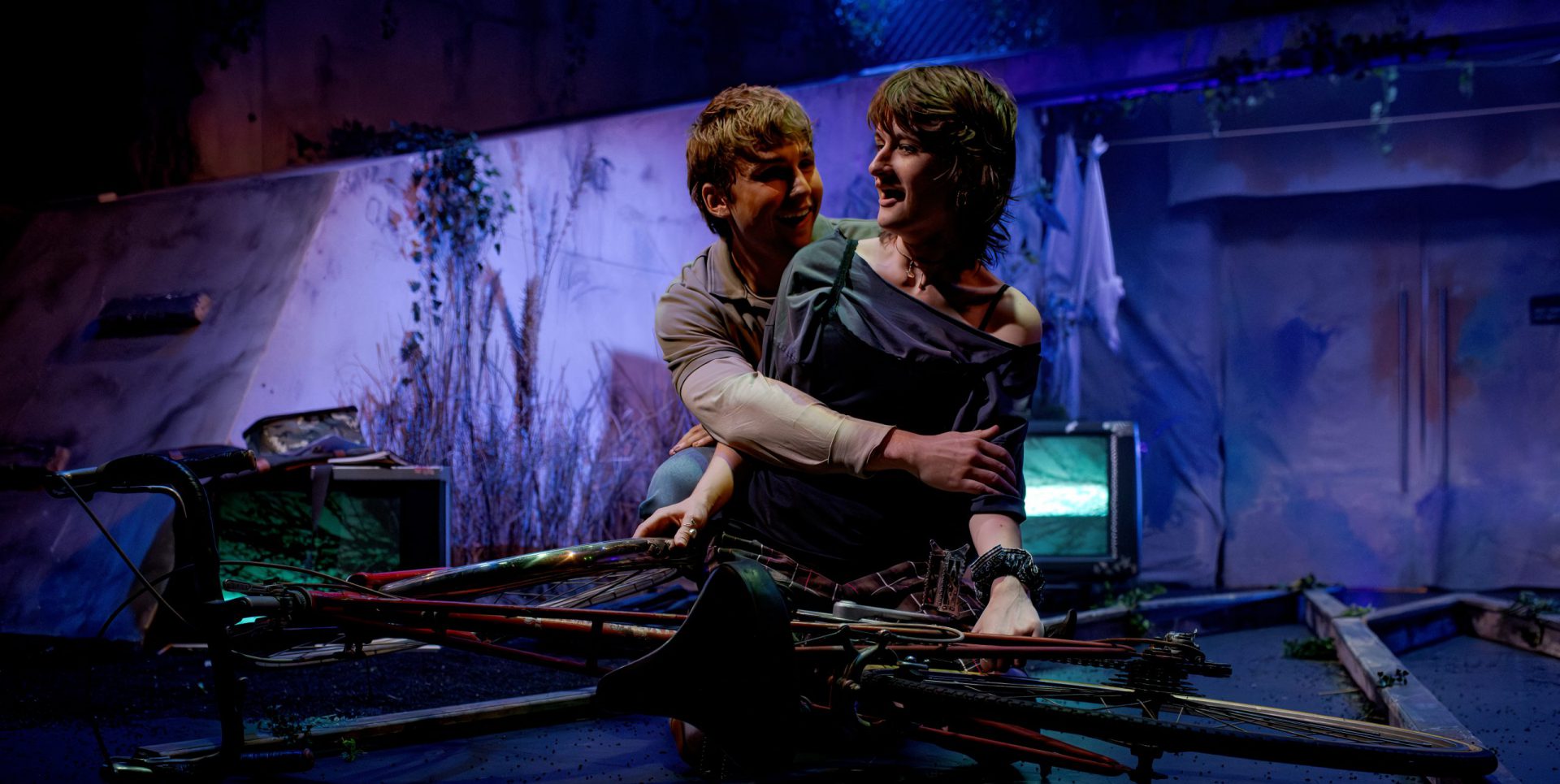
The Last Train to Madeline, produced by Australian Theatre for Young People, warmly explores memory, friendship, and the enduring pull of the past.
With a cast structure where six actors play two characters in their childhood, teenage years and early twenties, the play traces how formative moments reverberate across decades. While the script is occasionally predictable, and its structure sometimes repeats emotional beats, the production’s spirited performances and smooth direction make it heartfelt and engaging.
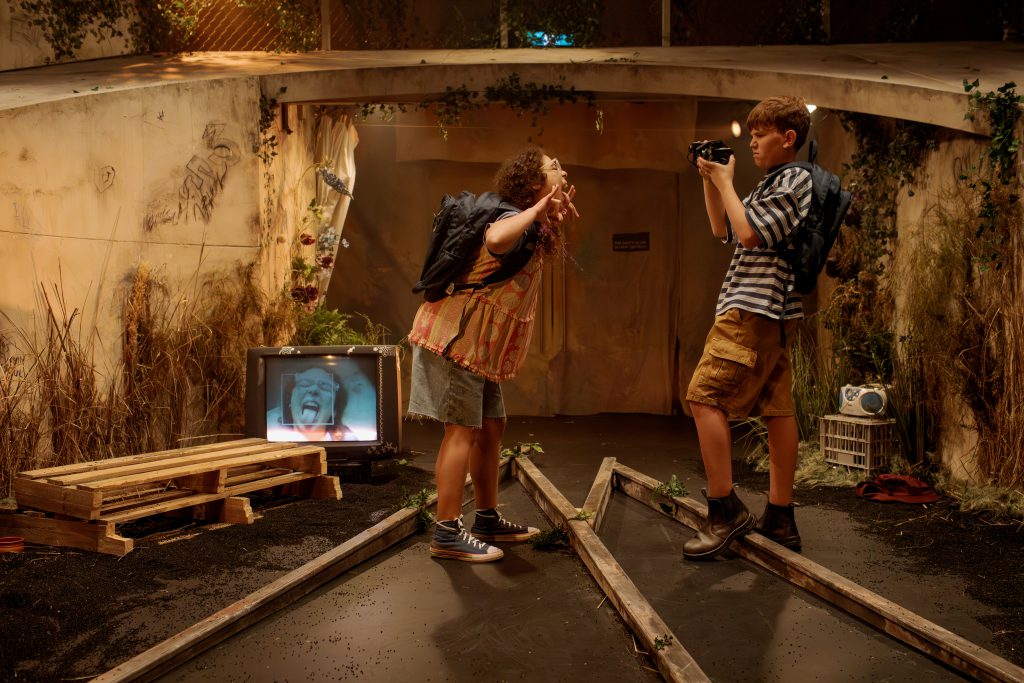
Callum Mackay has crafted a sweet and touching script. Focusing on the evolving friendship between Maddy and Luke, the story moves between three timelines: when the two first meet as ten-year-olds, when they almost start their lives at seventeen, and as they grapple with adulthood at 23. The titular “last train” becomes both a literal journey and a metaphorical one – the fleeting opportunities that shape who the two become.
The play’s structure lets the audience witness how small interactions ripple. Moments of teenage banter, spontaneous adventure and awkward confessions develop new meaning when revisited through the lens of adulthood and pent-up emotions. Mackay’s writing captures that awkward earnestness of youth particularly well, with reflective dialogue that feels natural, playful, and human.
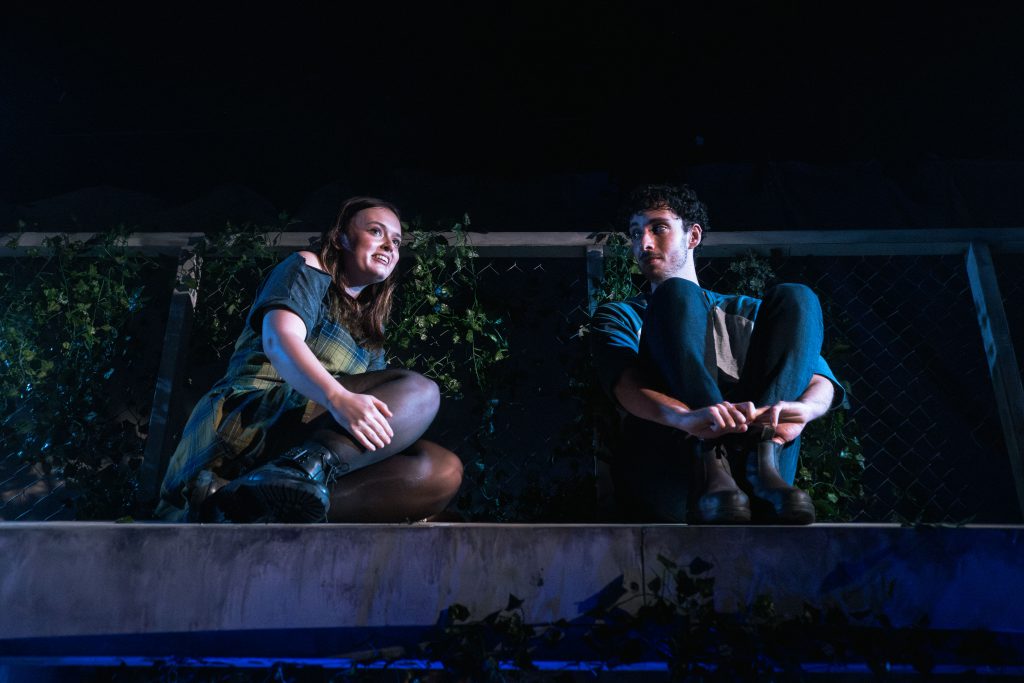
The production’s greatest strength lies in its young cast. The scenes with 10-year old Maddy and Luke crackle with youthful enthusiasm, and are consistently funny, spirited, and full of energy. The actors lean confidently into the humour in Mackay’s script. Just as importantly, they build a believable camaraderie. Their friendship feels lived-in and authentic, which gives emotional weight to the story’s later developments.
The older cast bring an equally compelling tone to the production. They inhabit a quieter emotional state, shaped by longing, and nostalgia. Their scenes reflect the uneasy vulnerability of revisiting one’s past and ground the play in emotional truth.
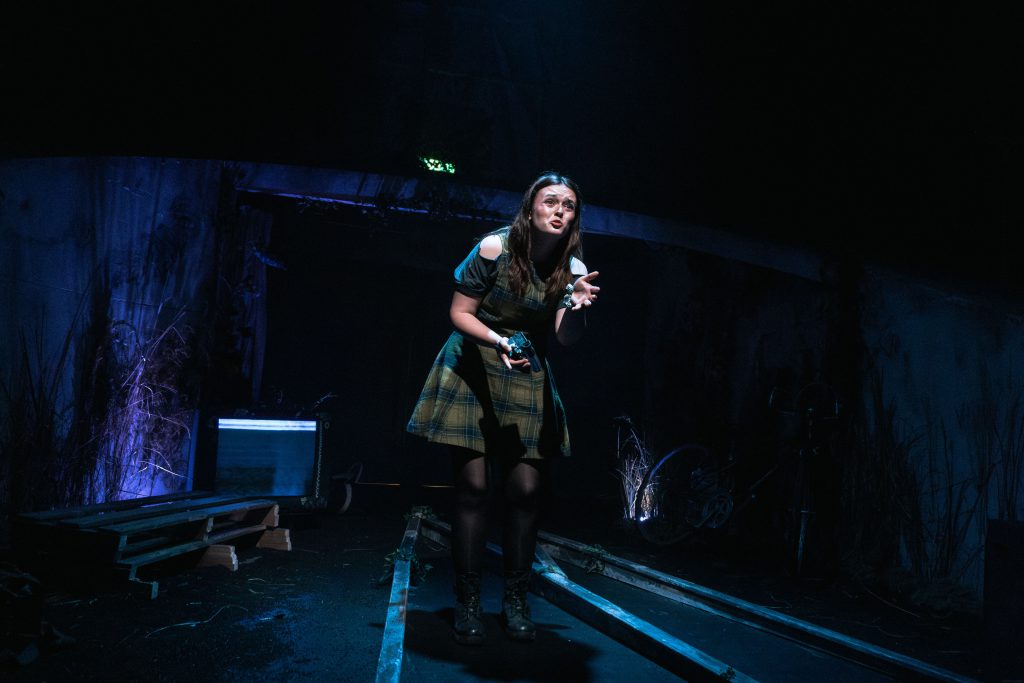
Director Hayden Tonazzi orchestrates these narratives fluidly. Tonazzi’s direction is smooth and assured, allowing scenes to transition gracefully between timelines while maintaining the show’s emotional rhythm. Importantly, the visually and technically dynamic staging never overwhelms the script. Instead, Tonazzi creates space for Mackay’s dialogue and character beats to land naturally, trusting the performers to carry the story forward.
That said, the play’s structure occasionally works against it. Because the audience encounters pivotal emotional moments at different times to the characters, later scenes which reveal or revisit such moments re-explore established emotional territory. Such echoes make certain revelations feel somewhat predictable, and make some dramatic beats lose their impact.
Ultimately, The Last Train to Madeline remains a charming and sincere work. Mackay’s script, Tonazzi’s direction, and a committed cast create a warm and quietly affecting production. It may follow familiar tracks, but the journey is worth taking.