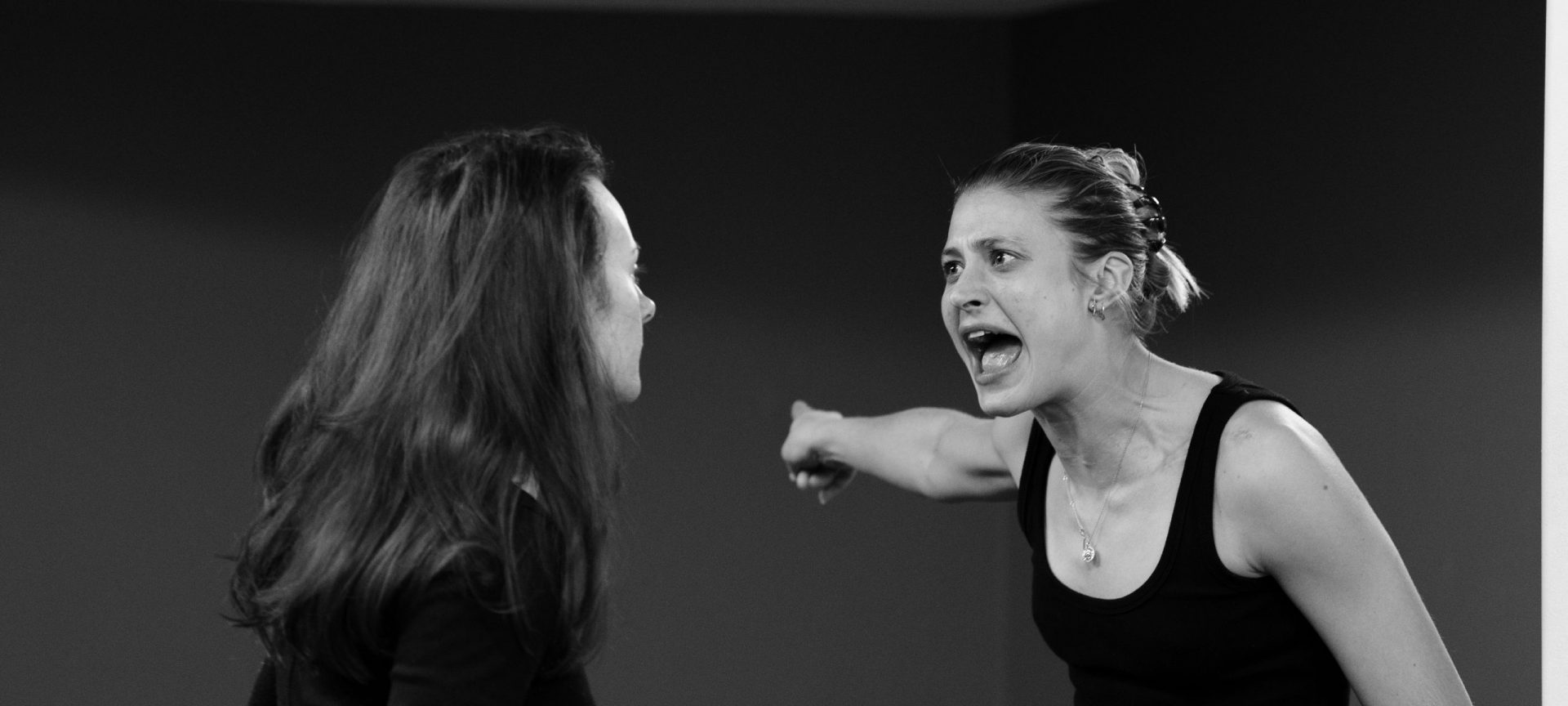
There’s lots of chatter within families.
Who forgot to call. Who drank too much. Who isn’t visiting enough. Who’s living back home. Who’s just gone vegan. Who’s spending too much. The list goes on.
Then there are the things families don’t chatter about. Sometimes those are the things that have the greatest impact.
I’ve been thinking a lot about silence while rehearsing Deborah Bruce’s Dixon and Daughters. Not because the play itself is silent; its characters are a very chatty bunch. But because underneath the chatter sits another kind of silence: the kind that becomes part of a family’s architecture.
The kind everyone knows is there, but has learned to live around.
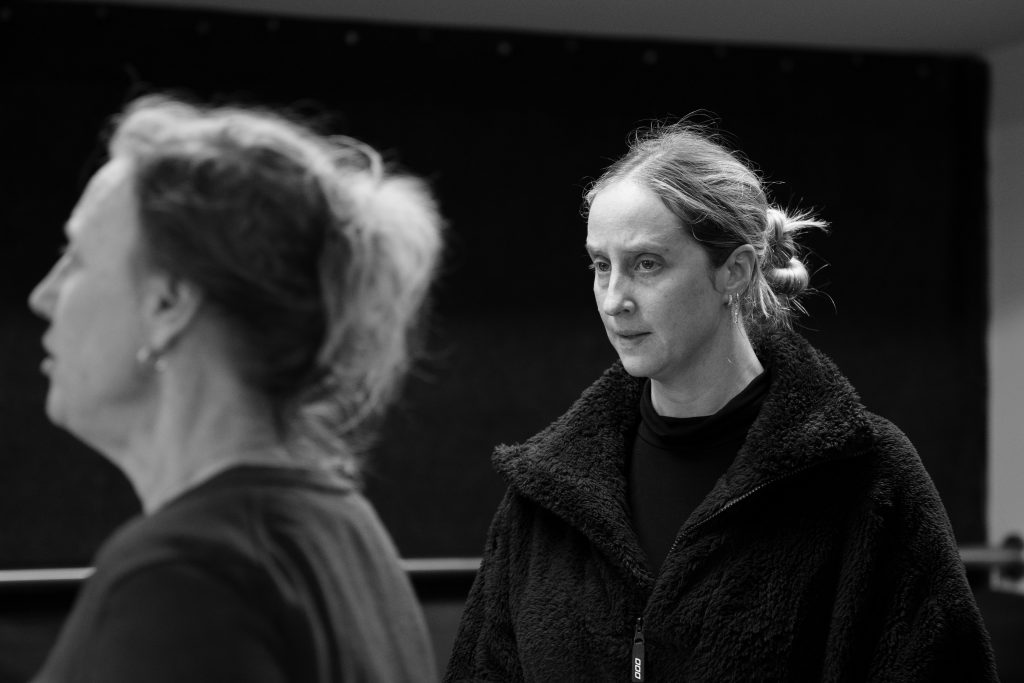
Dixon and Daughters isn’t simply a play about a terrible thing that happened. It’s about what happens after terrible things happen.
Trauma doesn’t necessarily announce itself dramatically. Sometimes it looks like somebody making tea. Sometimes it looks like a joke, or a mother saying, “I’m not having this.”
There’s a temptation when we talk about silence around abuse to imagine it simply as failure: somebody knew something and didn’t speak up. But human beings are rarely that simple. Silence can be an act of survival. It can come from fear, dependence, love, or shame. It can come from not having the words to describe what is happening, or knowing that saying anything will destroy the only family and love you have.

The women in Dixon and Daughters aren’t symbols of trauma. They’re funny, irritating, contradictory, cruel, generous and sometimes ridiculous. They interrupt each other. They change the subject. They behave like a family. But underneath all that ordinary domestic behaviour is something silent and enormous.
I think theatre is particularly good at revealing that contradiction. We as the audience sit watching people make tea while knowing something terrible is sitting at the table with them. We begin to notice what isn’t being said, and a pause becomes suspicious or a joke defensive.
Perhaps that’s why stories like this matter beyond theatre. We encourage people to “speak out”, and of course that should be a given. But perhaps we also need to consider the conditions under which we’re asking people to speak.
What happens when telling the truth threatens the story a family has spent decades constructing? What happens when the person being accused is somebody you loved? What happens when acknowledging what happened means acknowledging that somewhere along the way, you knew?
Those are harder questions.

Breaking a silence doesn’t simply reveal the past – it rearranges the present. Relationships change. Memories have to be reexamined. The story everyone agreed upon, consciously or not, no longer holds. And perhaps that’s why silence can survive for so long. The truth doesn’t simply ask us to believe what happened to somebody else. Sometimes it asks us to reconsider who we were while it was happening and what we have become since.
Perhaps the question isn’t simply why people remain silent.
Perhaps we should also ask what the rest of us have invested in not hearing them.
Dixon and Daughters is produced by Tiny Dog Productions and plays at The Old Fitz Theatre from 18 September – 3 October. Tickets are available here.