Some may say I am psychic. I grew up thinking I was psychotic.
For most of my childhood, I thought the things I experienced were simply part of being alive. I could see, hear, sense and know things, and I assumed other people could too. I assumed our experience was the same.
When I discovered it wasn’t, I was genuinely shocked. I didn’t understand that what I experienced could be invisible, unexplainable or even unimaginable to others. My experience of the world was different from theirs.
At the time, this discovery changed my understanding of belonging.
It’s funny now, knowing of course that our experiences are different. There are so many factors that shape our identity, perception, compass, experience and way of being.
I had always thought belonging was somewhere we could be ourselves fully and be accepted without judgement. I began to understand that, sometimes, sameness is the entry point through which belonging is offered.
What happens to belonging when we discover we’re different?
When our experience sits outside that sameness, it can become about survival: am I safe here, or is my difference now dangerous? Trust and care don’t even get a look in. The question becomes much bigger than whether we fit.
For me, the answer has taken years to understand.
Sameness and acceptance are not the same thing. We don’t need to experience something in the same way to meet each other. We may not even be able to completely understand another person’s experience or complexity.
But can we be willing to listen?
Can we become curious?
Can we care enough to stay with what we don’t yet understand?
Curiosity opens the door. Care makes it possible to stay. Through the willingness to listen, trust and understanding grow.
Is that what belonging really is?
I think this matters because difference can so easily become separation. When someone is perceived as different, there is a long cultural history of making that difference something to look at: an exhibit, something to judge, classify or keep at a distance.
I don’t want difference to be something we simply look at.
I want to know what happens when we meet it.
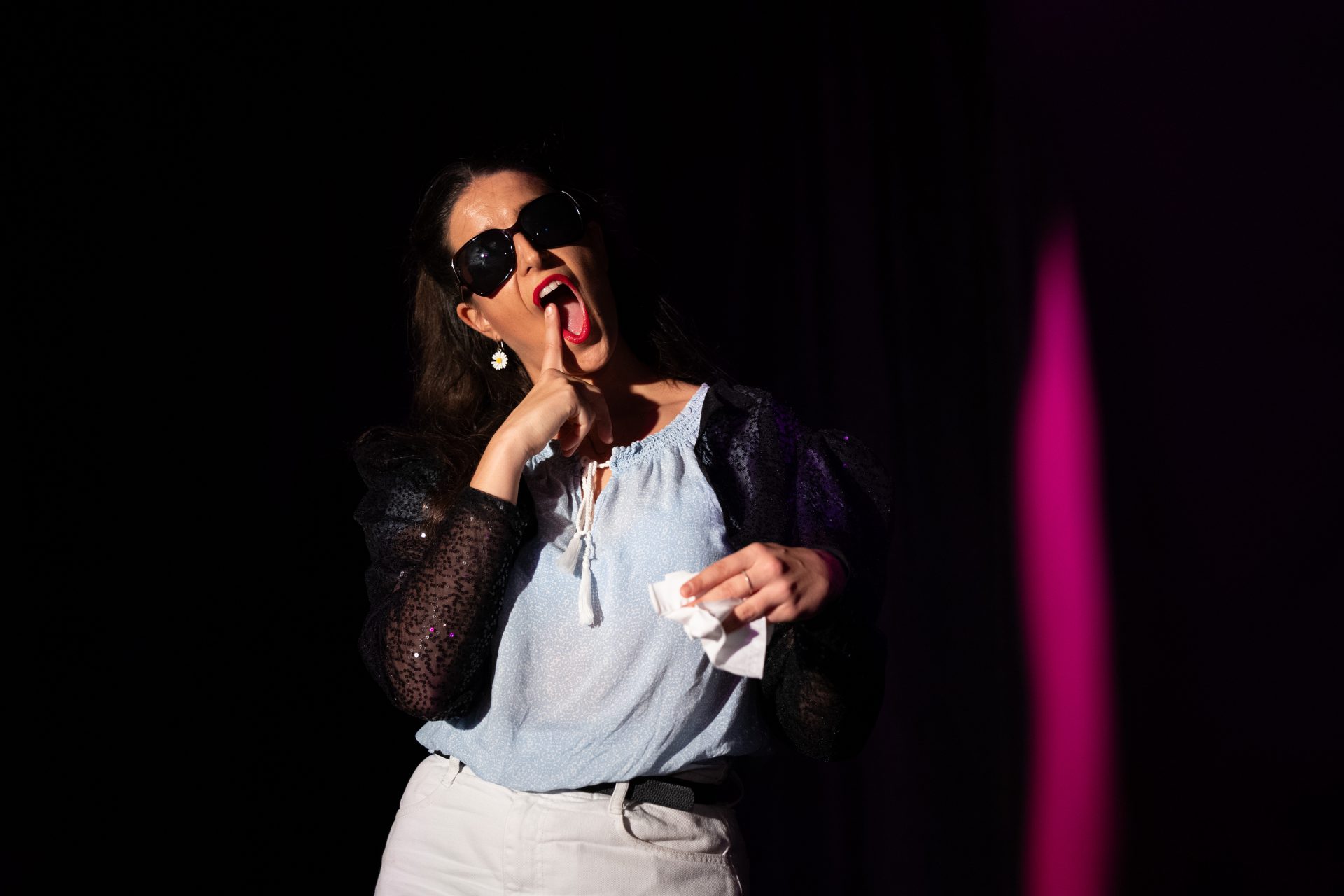
Accepting complexity and difference became the starting point for my artistic practice and, eventually, for Psycho or Psychic. The spirits are the strange doorway into the story, but the question underneath them is human: how do we share a world when our experiences of that world are different?
On stage, I get to explore that question physically. Luna’s world arrives through characters, movement, comedy, chaos and moments that cannot always be neatly explained. The audience encounters her experience, and our relationship with difference unfolds alongside the story.
Perhaps that is part of what theatre can offer us: a place to encounter another person’s world, remain curious, and discover something of our own within it.
You don’t understand my experience yet.
Would you like to listen?
Perhaps belonging begins here.
Sarah Francis performs Psycho or Psychic, from September 15-19 as part of the Sydney Fringe Festival. Tickets are available here.