Monty Python in its absurd outdated fashion.
Spamalot, produced by Drew Anthony Creative, is a par for the course production of the Monty Python musical. Though its typical surreal humour eventually lands and the ensemble is strong, a dull first Act and inclusion of material that doesn’t quite stick in 2026 is problematic.

Spamalot is devised by Eric Idle, an original member of Monty Python, with music by him and John Du Prez. It adapts Monty Python and the Holy Grail and concerns the bumbling King Arthur’s (Stephen Curry’s) quest for the Holy Grail – a task bestowed upon him by the Lady of the Lake (Marney McQueen). Arthur and the Knights of the Round Table encounter people and punchlines from the film, like the Black Knight, Knights who say ‘Ni’, and The French Tauntor.
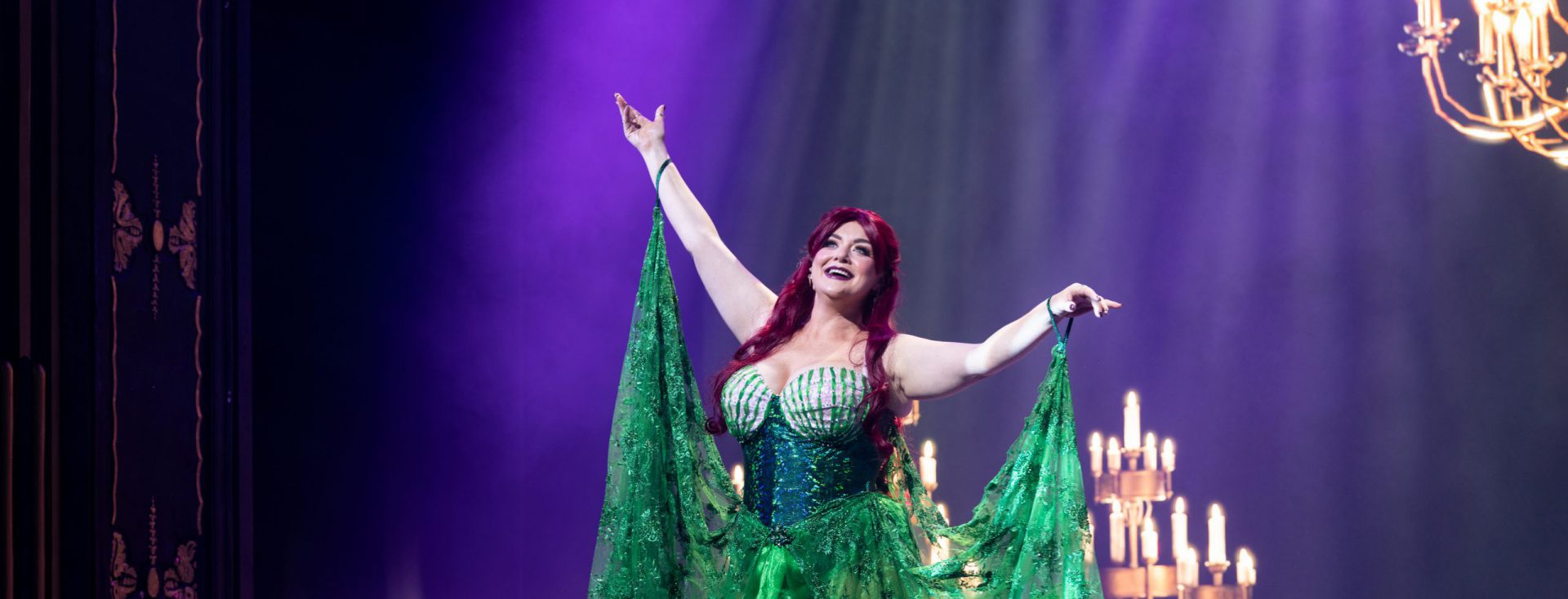
Curry leads with less gusto than expected. His King Arthur is underwhelming, sacrificing the role’s much-loved idiosyncrasy for something more boring. Curry seems limited as a result, content with performing his dialogue and playing out the scenes instead of truly leading the show. Bar his performance of “I’m All Alone”, which is wonderfully done, much of the heavy comic lifting is delegated to his co-stars. McQueen suffers from similar issues, but this is excusable given her character’s limited stage time (though she does manage to smash out her rendition of “Diva’s Lament”).

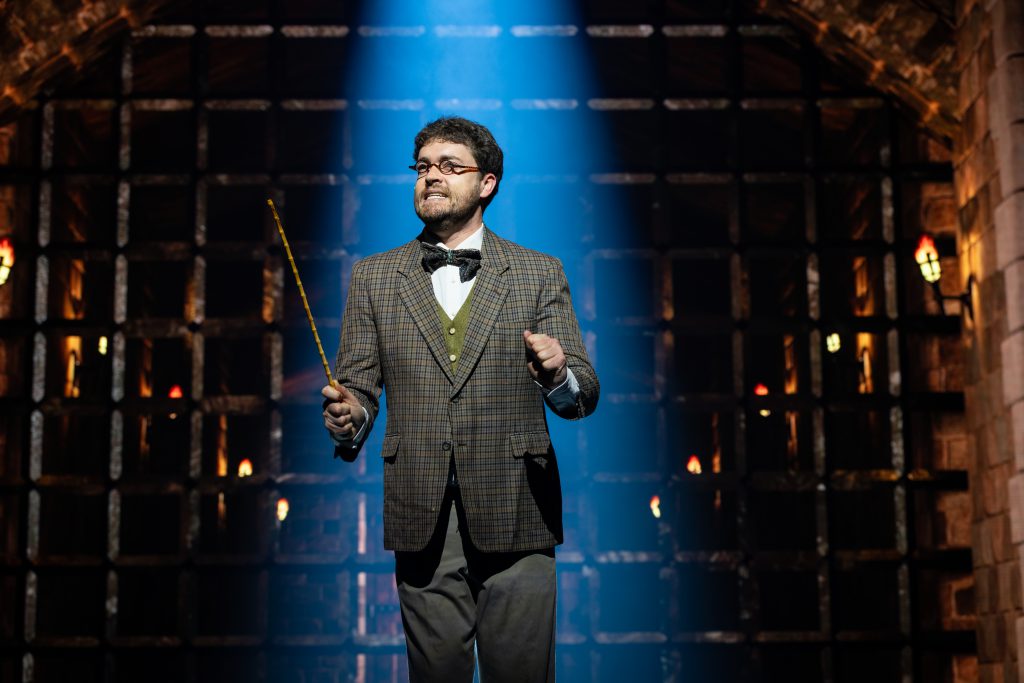
Fortunately, Spamalot‘s supporting cast improve the production. Jesse Vasiliadas is a charming Sir Lancelot, and his chemistry with Ethan Jones in the show’s Lancelot-Dennis romantic subplot makes for some great humour. Nick White has the most challenging role as the Man of Many Characters, but makes more of those characters work than less – most notably when The French Tauntor (with White performing in a ridiculously funny accent) and the Knight who says Ni. The broader ensemble perform the musical’s choreography smoothly and with good energy, making the show’s dance numbers its most consistent strength, and their singing is mostly on point.

Drew Anthony‘s direction is tedious in the first Act but much improved in the Second. The first Act drags, with a general stiffness to the on stage action. Songs are routine and the comedy doesn’t always land. The second Act, thankfully, is much stronger. The show finds its groove as it navigates the production’s big-ticket musical numbers, which have much greater flair. The absurdity of Monty Python humour is much better done, drawing greater laughs from audience members both familiar and unfamiliar with the original film.
Yet, two decisions restrict this production. The first is the visuals. Despite featuring set changes and a reasonably-sized cast, Spamalot regularly delegates locations and roles to a projection playing behind the live performers. That projection is often tacky and doesn’t do much but distract from what those performers are doing. Moments where the performers interact with the projection – such as moving King Arthur’s nights moving the Killer Rabbit and King Arthur’s fight with the Black Knight – are awkward, stealing the production’s most infamous moments. Instead of watching the cast comically work with a large, hollow wooden rabbit, or hear a man who responds to his chopped-off limbs with “’tis but a scratch”, the audience is forced to watch animations. It’s not the same.
The second is the jokes. Spamalot is both a product of the 1975 film and the mid-2000s era it was developed in. Decades on, the concept of a Broadway show requiring a Jew to be successful (as the show devotes an entire number to) lands quite differently in today’s context. Whether that idea even needed to be included is debatable. Anthony clearly demonstrates a willingness to play around with the original text – references to Hornsby RSL and the Sydney Event Centre performance space indicate this. He didn’t need to tinker with much, but perhaps some content could have been treated with greater consideration (despite what some members of the original troupe might think about doing so).
Ultimately, Spamalot eventually finds its groove – as all Monty Python productions do – thanks to its ensemble and the slickness of their performances. But with sacrificial visuals and odd content, this show doesn’t quite produce the shrubbery.