Unique, fun, and classy!
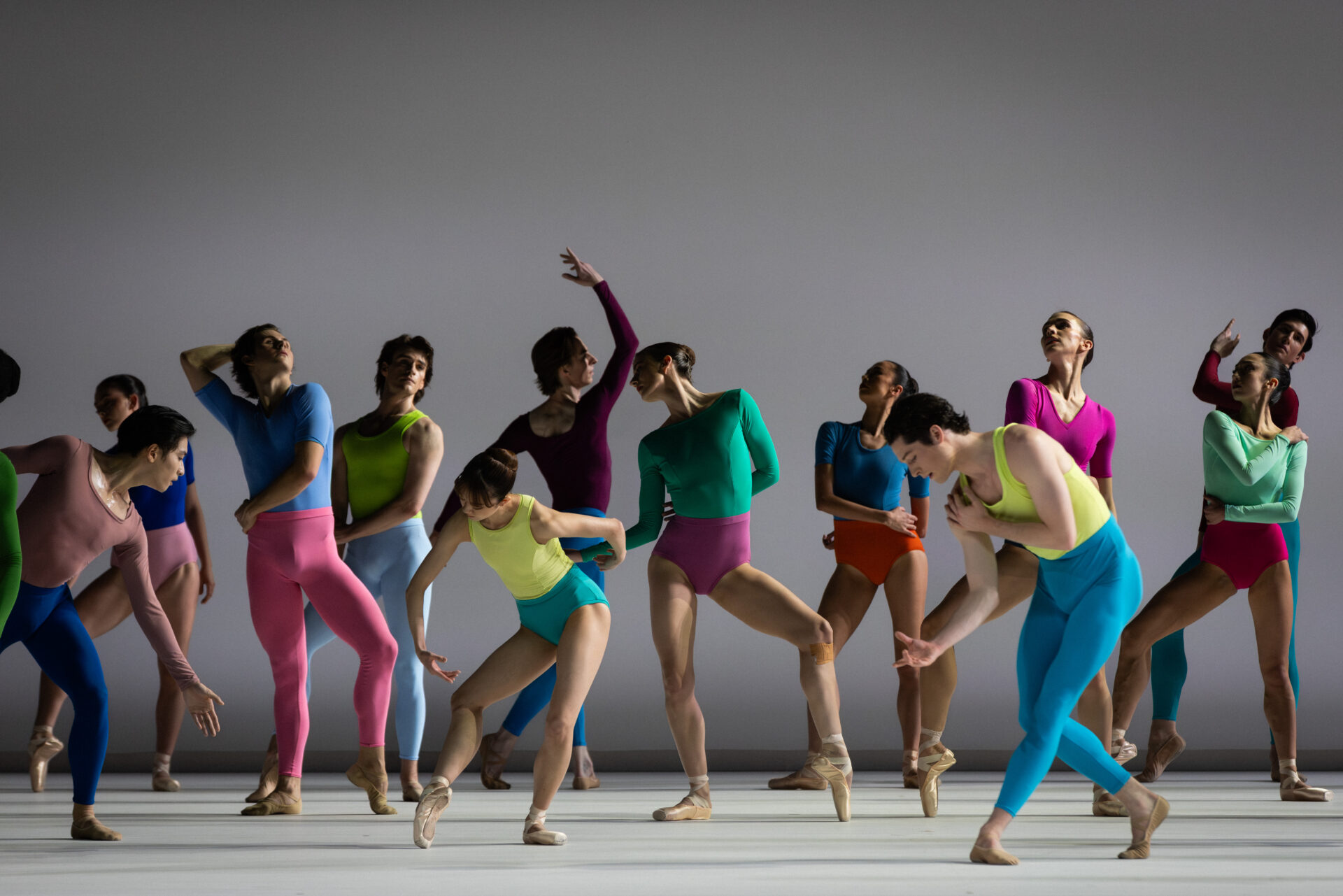
The Australian Ballet presents Copland Dance Episodes by Justin Peck, an exclusive Australian premiere at the Sydney Opera House. Originally commissioned by the New York City Ballet, this 22-episode production provides a unique, fun and classy take on modern ballet. Coupled with 30 talented dancers and renowned composer Aaron Copland’s lively and radiant score, this production is not one to miss.

It’s difficult to depict a clear storyline across the 22-episode performance. Rather, it presents a rich tapestry of emotions and relationships, weaving together friendship, romance, mischief, tension, and grace. Each scene offers a glimpse into human connection, creating an atmosphere that feels significant and personal.
Rodeo opening night principal pairings Isobelle Dashwood and Jeremy Hargreaves, portray a love that is shy, tender, and captivating. Their chemistry developed naturally throughout the production, allowing their relationship to blossom with an endearing sincerity that drew the audience in and earned a rapturous ovation from the audience. Trio Cameron Holmes, Henry Berlin, and Drew Hedditch were equally as engaging, their lively and cheeky performances bringing energy and warmth to the stage whilst embodying brotherhood.

By contrast, Appalachian Spring duo Benedicte Bemet and Elijah Trevitt delivered a partnership that was both daring and deeply connected. Yuumi Yamada and Grace Carrol were enchanting, as their dancing possessed an ethereal fairy-like quality, marked by elegance and lightness. Their delicate movements seemed to find playful echoes in the Opera Australia Orchestra’s performance, creating moments of whimsy and charm that delighted the audience.
The programme’s structure of the gradual shift from male to female-led episodes stood out, with both ensembles converging towards the later stages of the production. While this progression was clearly intentional, the opening section occasionally felt somewhat male-dominated before the ensemble reached a more balanced dynamic later in the performance.
What ultimately distinguished the 73-minute piece was the strength of the ensemble as a whole; each dancer contributed an individual and singular voice without compromising the collective.

Such balance between personal artistry and ensemble cohesion without solos can be difficult to achieve, so this deserves considerable praise. This was enhanced by Ellen Warren’s costume design. While no two dancers appeared identically dressed, subtle similarities in colour palettes, silhouettes, and sleeve lengths created a sense of unity. As such, it felt each individual was celebrated whilst maintaining a clear visual connection between performers.

Jeffrey Gibson‘s set design and Brandon Stirling Baker‘s lighting design created a vibrant visual world that enhanced the shifting moods and tones of each episode.
The Opera Australia Orchestra tied everything together. Moving effortlessly between playful, tense, spirited, and reflective passages, Aaron Copland’s score amplified the action on stage and often felt as though it was in conversation with the dancers themselves. It added another layer of warmth, charm, and vitality to an already engaging production.
Ultimately, Copland Dance Episodes is an undeniable success. Full of warmth, elegance, humour, and energy, it showcases the remarkable talent of both the dancers and creative team. It is a captivating production and a performance well worth experiencing.