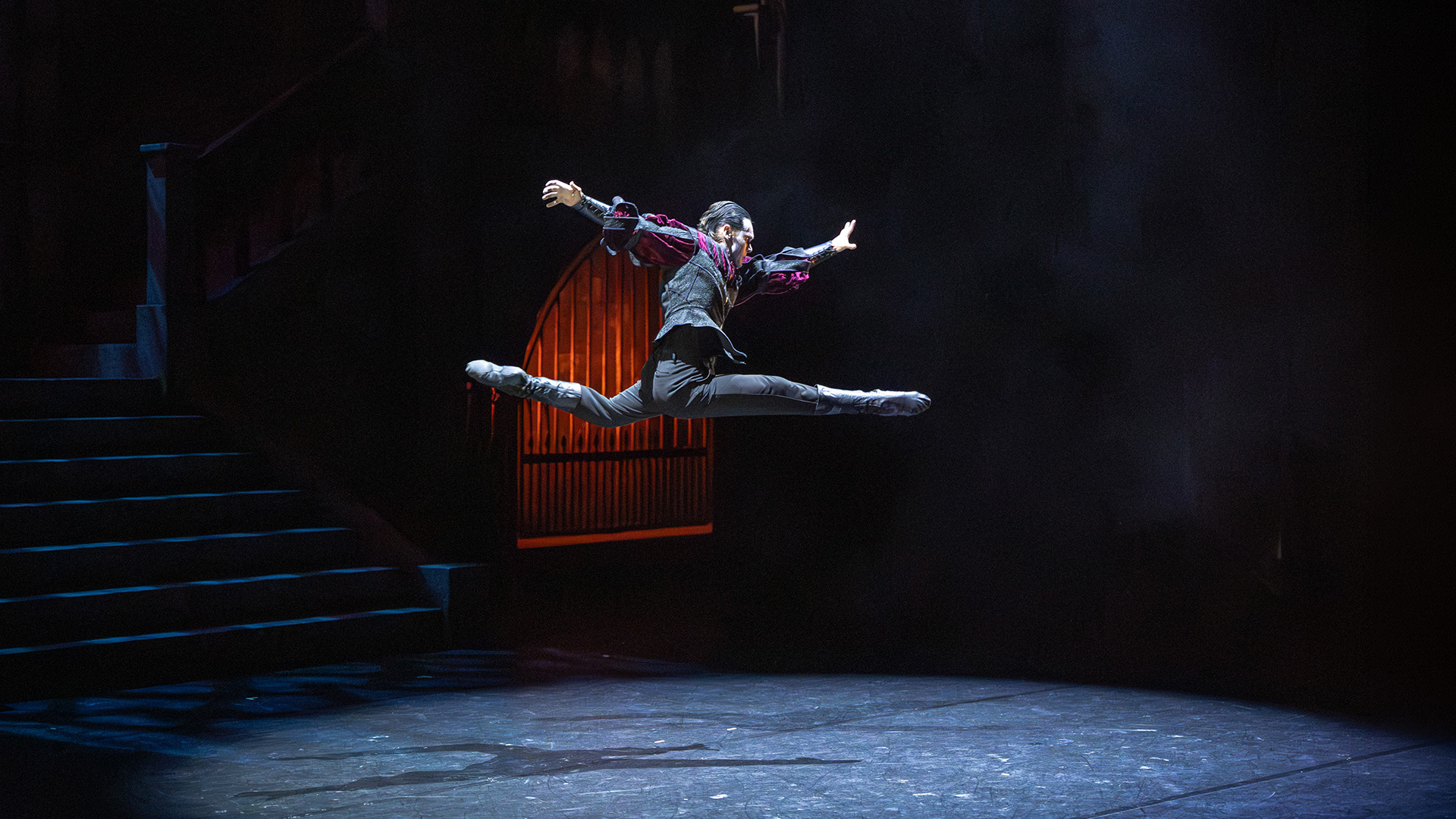
A creative re-telling of Bram Stoker’s classic, but one that doesn’t always land.
Dracula: Ballet, produced by BIG Live, presents the story of its eponymous antagonist with charm and imagination. Though the first half of the performance meanders, a rise in energy, action and drama in show’s latter half (buoyed by more dynamic movement from the dancers) makes for a thrilling and memorable climax. What is regrettable, however, is the lack of a live orchestra.
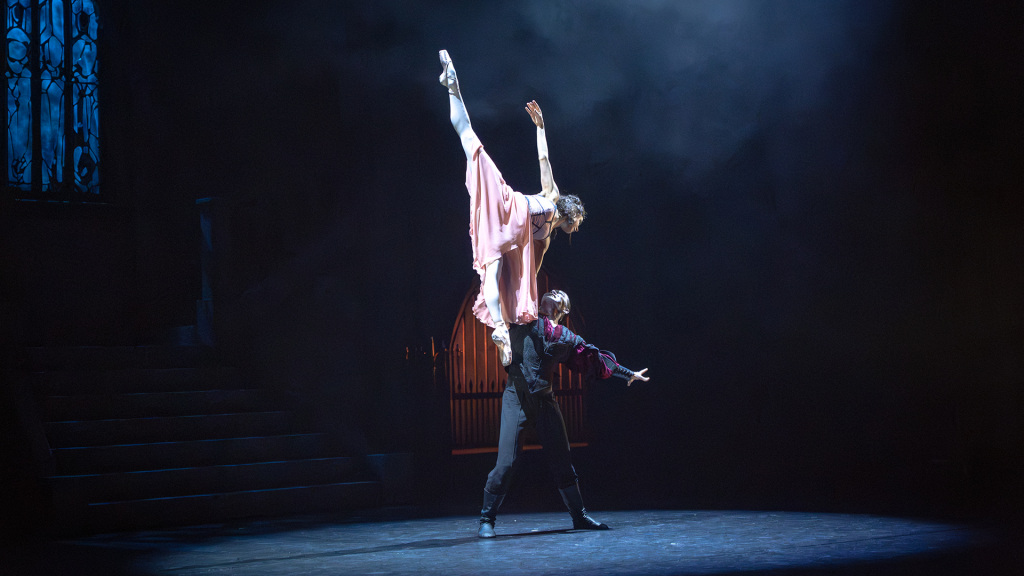
Rather than adapting Bram Stoker’s novel directly, Dracula: Ballet focuses on Dracula’s consuming desire to preserve love. It begins by focusing on Vlad, who upon discovering that his wife has been killed sells his soul and becomes Dracula (Ervin Zagidullin). 200 years later, newlyweds Jonathan (Joel Burke) and Mina (Abbey Hansen) arrive at Dracula’s castle on honeymoon. Dracula sees Mina and believes she is the reincarnation of his dead wife, setting off an obsessive attempt to possess her. As Dracula’s obsession intensifies, Jonathan is bitten and transformed into a vampire himself, while he and his friends attempt to rescue Mina from Dracula.
Dracula: Ballet starts off slow. The first half is uneven, with the performance moving through various dance sequences that build the show’s world rather than progress the story. The dancers lack energy during those moments, unfortunately making the performance flat. This is most obviously displayed during Zagidullin’s introduction as Dracula: a moment that should be intimidating is instead humorous.
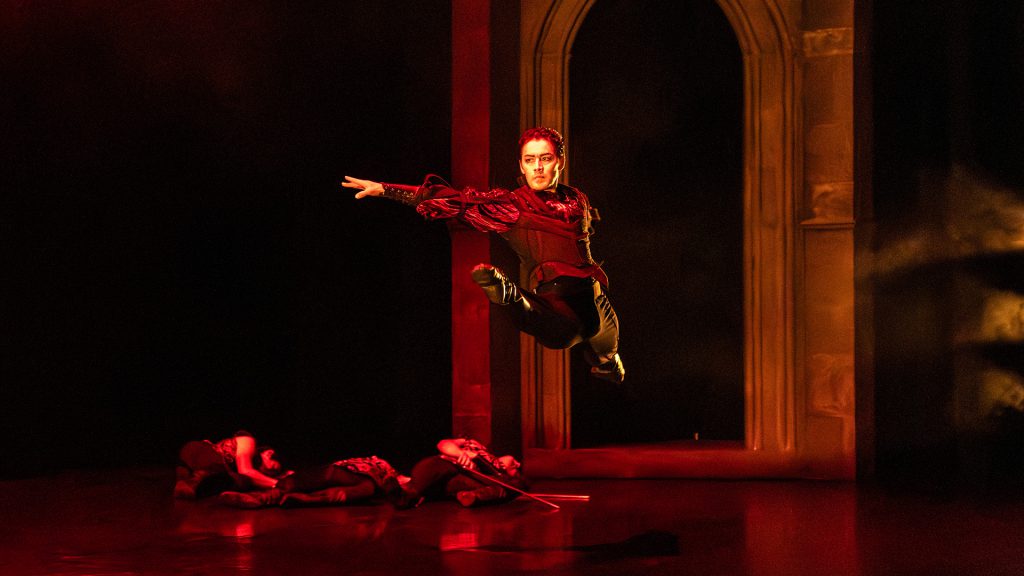
Fortunately, the production finds its way in the second half. As the plot gathers momentum, the music livens considerably and the narrative begins to move with greater urgency. The dancers bring a previously unseen dynamism and intensity to their movement. What initially feels laboured gradually becomes gripping, building towards a genuinely thrilling climax that makes up for the initial sluggishness.
The choreography (Burke) is generally well executed, consistently finding new ways to translate the familiar Dracula story into ballet. Of particular note are moments of comedy within the choreography, which add flair and originality. There are also some standout performances. Hansen brings a particularly compelling presence to Mina, and she plays the character’s progression exquisitely. Zagidullin ultimately succeeds in capturing Dracula’s dark, theatrical spirit, and his technical ability allows his more demanding solos and pas de deux (often with Hansen) to be commendably well executed. Their performances give the production some of its strongest dramatic focus.
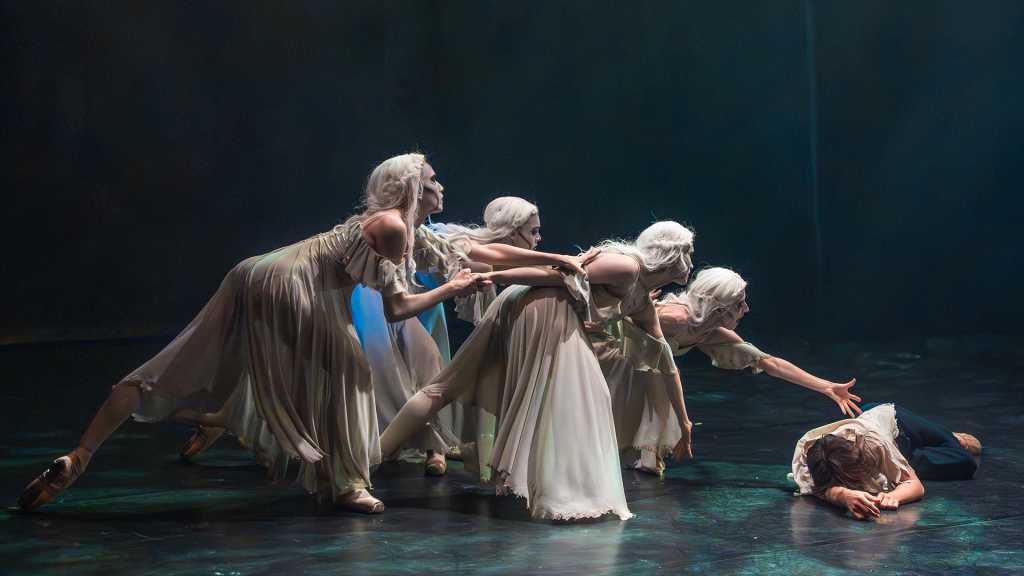
The supporting ensemble has mixed results. The zombies supporting Dracula tacky, looking more like Halloween-costume extras, though the corps de ballet (who mostly play Jonathan and Mina’s friends) have considerable charm and provides some of the production’s most enjoyable moments. There is a playful quality to their work which is delightful to watch.
What is unfortunate, however, is the lack of a live orchestra. The decision to rely on recorded music is one of the production’s more disappointing shortcomings, depriving it of the immediacy and tension that live musicians provide. There is no sense of the orchestra responding to the dancers in the moment, nor of the music building organically with the drama. For a ballet reliant on atmosphere, rhythm and emotional intensity, the absence of live music makes the production feel more like a polished recording accompanying a dance performance than a fully integrated theatrical experience.
Ultimately, Dracula: Ballet is a production of two halves. It takes a while to awaken, but once it does, the show delivers a strong and thrilling finish. Yet, not featuring live music means the experience is regrettably a limited one.