Chic, engrossing and nuanced, this is one of the best depictions of the Scottish play I’ve seen.
The final leg of Bell Shakespeare’s national tour of Macbeth has landed at the Playhouse Theatre of the Sydney Opera House, making for an excellent night at the theatre. I was absorbed from start to finish, impressed by the production’s fresh approach to the source material.

If there’s one thing I love about Shakespeare, it’s how his work can transcend time while remaining just as potent and relevant. I believe Shakespeare is often done best (and received most clearly by contemporary audiences) when removed from its original Elizabethan/Jacobean context and reimagined in a more recent period.
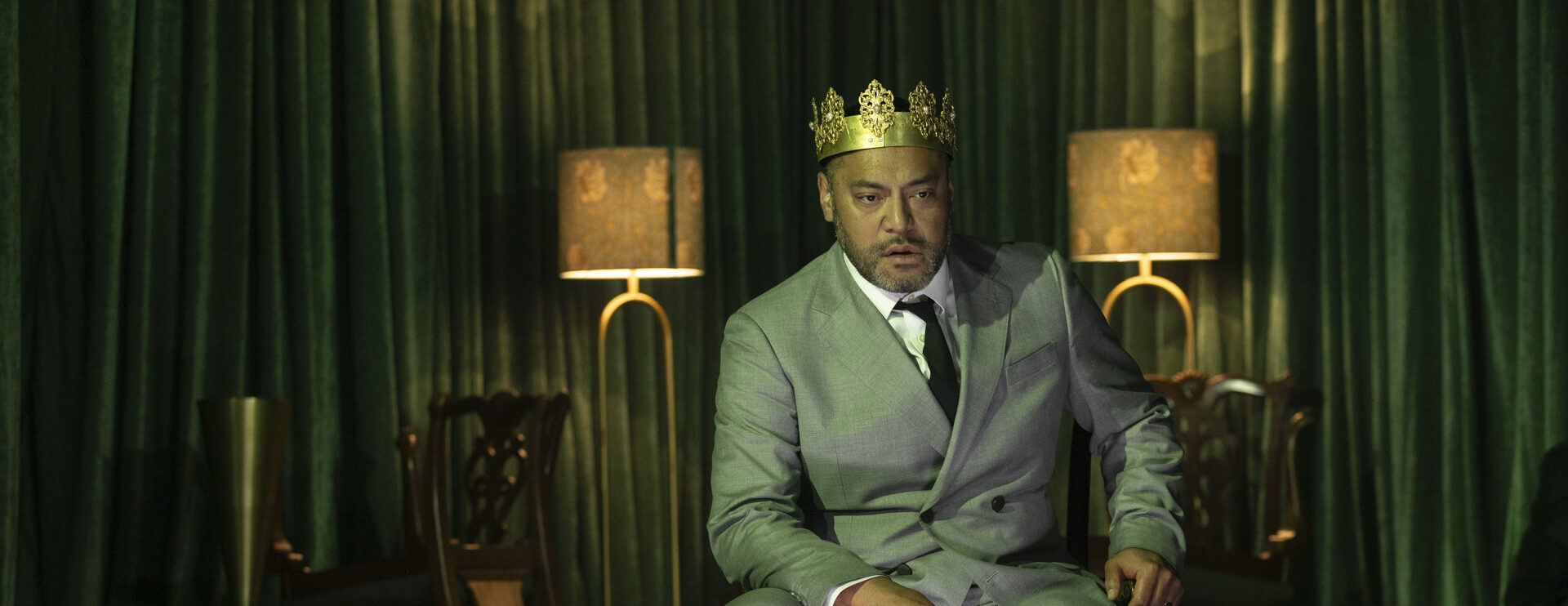
And so I loved the post-war 1920s world into which this production dropped us. The set, featuring green velvet drapes, elegant upholstered dining chairs and warm, glowing lamps, gave the production a decidedly chic Gatsby-esque feel. It is complemented by gorgeous costumes (Anna Tregloan), including drop-waist silk dresses and formal dinner wear.

Direction by Peter Evans and movement by Tom Royce-Hampton were particular highlights. The ensemble remained on stage for much of the performance, colouring the background of scenes with slow-motion movement and striking tableau images. It was an impressive (and I’d imagine rather tedious) feat for the cast to remain so still and poised during these moments. Soliloquies were sometimes delivered from within a mass of bodies, drawing us into the characters’ innermost thoughts amid the bustling surroundings of dinner parties and battlefields. The effect was almost dreamlike, with the ensemble creating a dynamic landscape that seemed to shift between the characters’ reality and their psychological worlds.

The cast were all fantastic, delivering Shakespeare’s language with clarity and nuance. I was particularly captivated by Matilda Ridgway’s Lady Macbeth, whose interpretation felt more human and layered than other renditions I’ve seen. She charted a remarkable arc, taking us from an ambitious, wrathful and occasionally rather funny woman to a delirious, guilt-ridden shell of her former self. Anthony Taufa‘s Macbeth was memorable but I found his performance considerably stronger in the second half of the show as he portrays Macbeth’s transformation. The witches (Rebecca Attanasio, Cat Dominguez and Mariska Murphy) were just the right amount of eerie, adding an ominous supernatural presence to the unfolding tragedy.
The production also struck a lovely balance between the darker elements of the tragedy and some unexpectedly funny moments. In the banquet scene, Banquo’s ghost (Joshua Monaghan, covered in gory makeup) provided a genuinely frightening presence, making Macbeth’s growing instability all the more apparent. The other guests, unable to see the ghost, looked on bewildered as Macbeth refused to take his seat, creating a wonderfully absurd moment amid the mounting tension. It was a clever blend of the macabre and the comic.

Sound design by Max Lyandvert provided the perfect creepy undertone, adding to the suspense befitting this thriller, particularly when contrasted with the deliberate moments of abrupt silence. Damien Cooper and Matt Cox‘s lighting was equally effective, bathing the stage in a shadowy, nightmarish atmosphere that heightened the sense of foreboding.
There is a wonderful elegance to the way this production handles the darkness of Shakespeare’s tragedy. Beneath the glamourous surface lies a tale of unchecked ambition, moral corruption and the destructive consequences of guilt. The horror unfolds almost imperceptibly, until the world of the Macbeths becomes increasingly distorted and consumed by paranoia. Beautifully composed, occasionally funny and thoroughly haunting, this is a production that balances theatrical sophistication with an unsettling sense of menace.